Is It Toxic—or Just a Difficult Moment? How to Tell the Difference
Not every uncomfortable interaction is toxic. The difference is found in the pattern, the impact, and what happens when the behavior is named.
I wish I could tell you that, after years as a psychologist, coach, and strategic advisor, my radar for toxicity is flawless. It is not.
I have walked into polished workplaces, noticed the early warning signs, and explained every one of them away. That interaction was odd, but maybe someone was having a bad day. The communication was inconsistent, but the company was growing. The leader was harsh, but passionate. Besides, I wanted the opportunity to work. Dammit, wanting has a way of quieting what we already know.
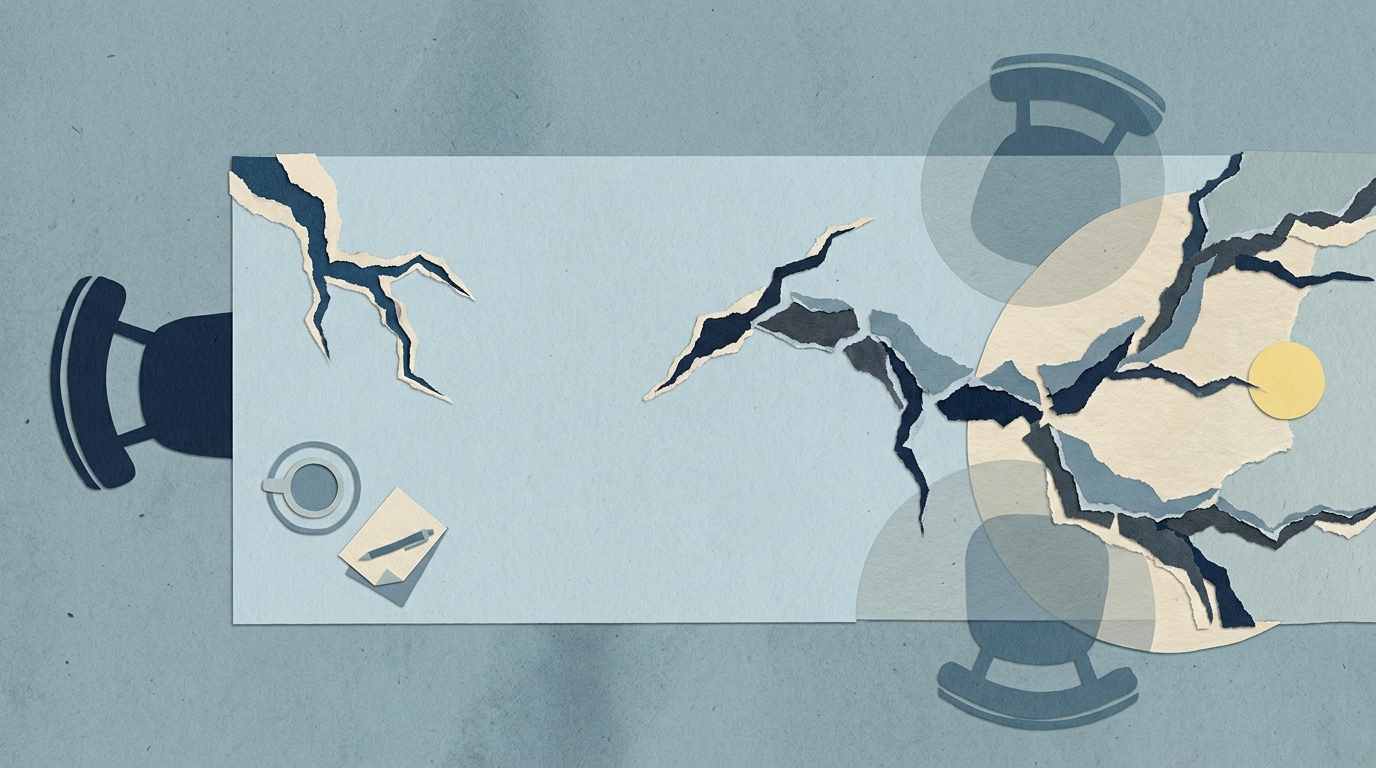
Eventually, the isolated moments begin to stack up. You are no longer reacting to one rude comment or one badly handled meeting. You are adjusting your behavior around a pattern, often before you are ready to admit that a pattern exists.
That is why I care about the distinction between a difficult moment and a toxic dynamic. Call every uncomfortable exchange toxic and the word becomes useless. Save it only for spectacular misconduct and we miss the quieter damage happening in plain sight. I’m less interested in labeling a person than in asking three less dramatic and far more useful questions: What keeps happening? What is it costing? Is anything actually changing?
“Our first classroom for love is the family; some lessons need unlearning.”
— Esther Perel, LMFT, renowned psychotherapist and New York Times bestselling author, A Bit of Optimism
One bad moment is not a pattern
After years of studying this question—and collecting more you-have-got-to-be-kidding-me examples than any one consultant should reasonably encounter—I define toxicity as a repeated pattern of behavior that chips away at trust, safety, or well-being in a relationship. Repeated is doing important work in that sentence. One impatient comment may call for an apology. Routinely dismissing questions, humiliating people, breaking confidences, or punishing disagreement calls for something more.
A difficult moment usually has edges. Someone owns what happened. Context explains the behavior without magically making it acceptable. There is room for repair.
A toxic pattern behaves differently. The conduct repeats, and the burden of adaptation falls on the same people. Concerns are minimized or turned back on whoever had the nerve to raise them. Eventually, people stop asking whether the behavior is acceptable and start asking how to avoid setting it off. The relationship acquires an unofficial operations manual, and everyone except the person causing the problem is expected to memorize it.
That is one of the earliest taxes: your attention shifts from doing good work or having an honest relationship to managing the emotional weather.
Pay attention to what happens next
Intent matters. It just doesn’t settle the question. A leader may not mean to silence a team by correcting every half-formed idea in public. A partner may not mean to create instability by disappearing whenever conflict surfaces. Good intentions do not cancel a predictable impact.
What happens when you name the impact tells you far more. Healthy people and systems aren’t flawless. They can take feedback and repair a rupture. They may get defensive at first because, apparently, none of us has evolved past that delightful reflex. But they settle down, listen, and make an adjustment you can actually see.
In a toxic dynamic, naming the problem often becomes the new problem. You are too sensitive. You misunderstood. The timing is inconvenient. Everyone else is fine. There may even be a brief and entirely unrequested performance review of your personality. The conversation moves away from the behavior and toward your credibility for noticing it.
This is why repeated invalidation can be so disorienting. You are no longer evaluating only what happened. You are also defending your right to evaluate it at all.
Your body gets a vote, not the final ruling
My body has often registered a problem before my conscious mind was willing to catch up. Maybe yours does too. You brace before a meeting, rehearse a perfectly ordinary question, or feel an almost embarrassing amount of relief when one person cancels. Notice that. Just don’t treat a tight jaw as a completed investigation.
Treat them as an invitation to become more specific. What happened? How often? Who is affected? What changes when someone pushes back? Your nervous system is an early-warning system, not a courtroom. Specificity converts a vague sense that something is off into information you can use.
Three questions I find more useful than the label
When I’m trying to make sense of a difficult dynamic, I come back to three questions:
Does the behavior keep happening across time, situations, or people?
What is it costing in trust, candor, health, connection, or your ability to do your job well?
When someone raises the issue, is there accountability and lasting change, or just another lap around denial, retaliation, and repetition?
No single answer makes the decision for you. Together, however, they reveal much more than a label ever could—and they are considerably more useful than asking five friends to diagnose the situation over wine.
Seeing it clearly is the point
Once you see a pattern, you do not necessarily need to make a dramatic decision by Friday. Unless safety requires immediate action, slow the situation down. Write down what is happening. Set one clear boundary. Ask for a specific change. Then watch what people do, not what they promise while the conversation is uncomfortable.
Three-time #1 New York Times bestselling author Mark Manson’s writing on boundaries is useful here because it separates responsibility from emotional overfunctioning. A healthy boundary means owning your actions and emotions without assuming responsibility for everyone else’s. That sounds obvious until you notice how many difficult systems survive by assigning one capable person the job of keeping everybody regulated.
Maybe the relationship can be repaired. Maybe the system is difficult but workable. Maybe staying asks you to abandon too much of yourself. I’m not going to tell every reader to quit a job, end a relationship, and move to a cabin with unreliable Wi-Fi. I am going to keep asking people to stop calling a repeated cost normal simply because they’ve become very good at paying it.
Awareness does not make the next step effortless. It does make the choice more honest.
“Trust is not built in big, sweeping moments. It’s built in tiny moments every day.”
— Brené Brown, PhD, University of Houston research professor, Huffington Foundation Endowed Chair, and scholar of courage, vulnerability, shame, and empathy